Helping Children Feel Safe, Understood, and Supported Through Play
Play-based, trauma-informed counselling for children navigating big emotions, anxiety, transitions, relationships, and change.
Is your child struggling, and you're not sure what is underneath it all?
Children often experience emotions, stress, and challenges differently than adults. As a child therapist, I understand that children may not yet have the language, emotional awareness, or self-regulation skills to explain what they are feeling inside. Instead, their experiences may show up through behaviour, play, relationships, physical symptoms, worries, meltdowns, withdrawal, or challenges at school and home.
Child therapy provides a supportive space for children to better understand their emotions, build coping skills, strengthen relationships, and feel more confident navigating life’s challenges
What Child Therapy Looks Like in Session
Play-based, developmentally appropriate therapy that helps children express emotions, build coping skills, and make sense of their experiences.
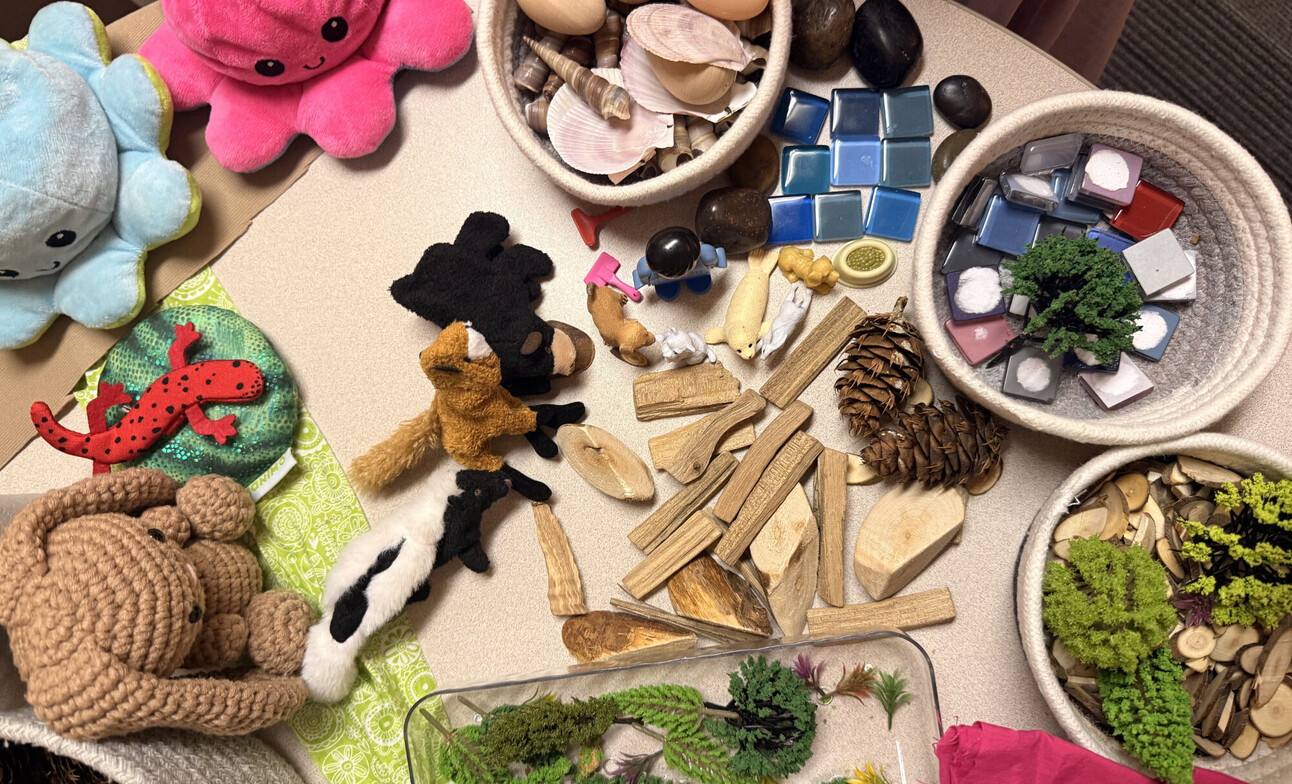
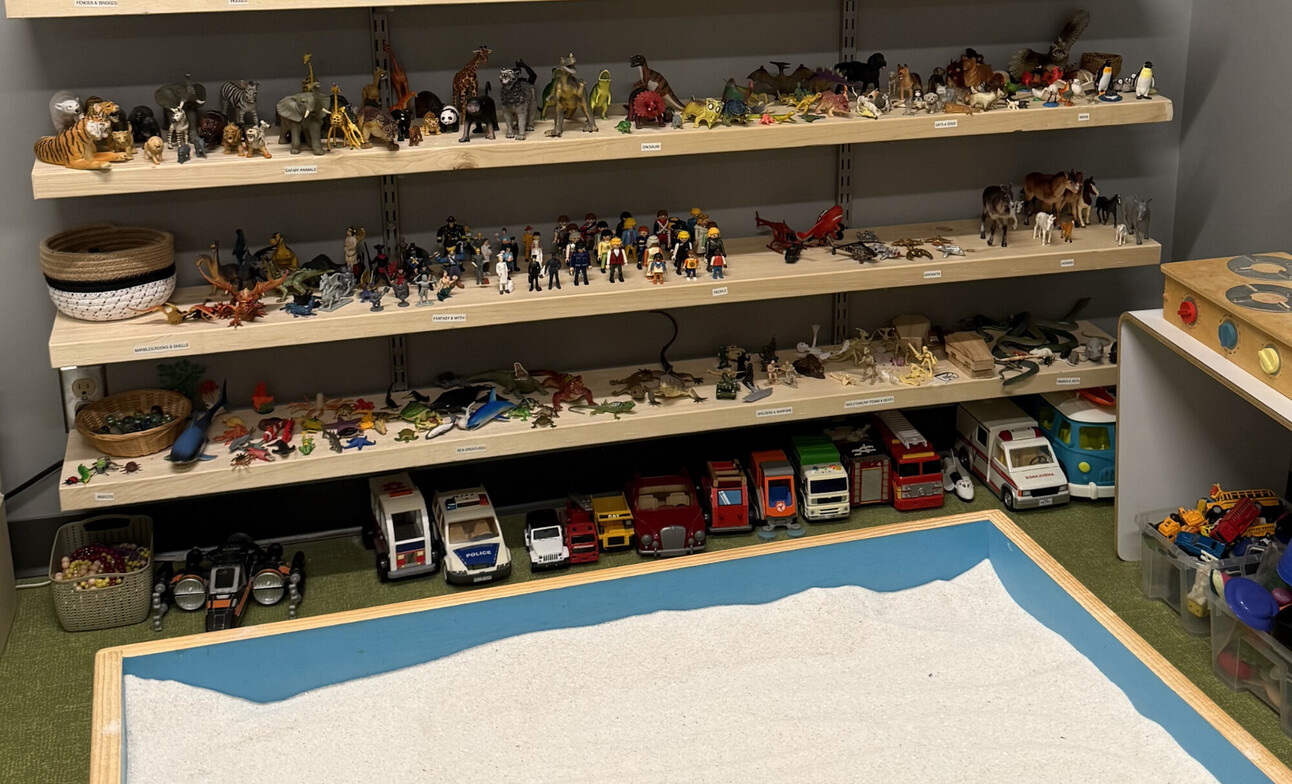
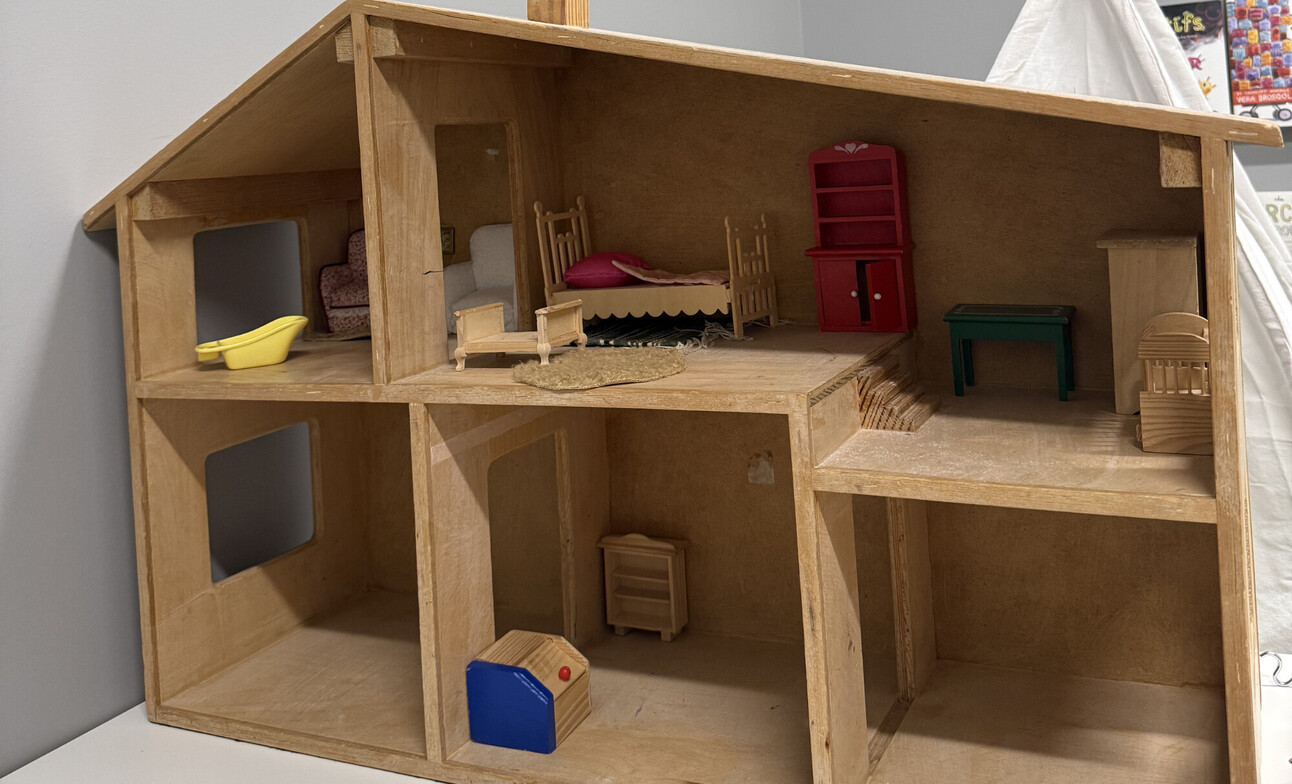
I use developmentally appropriate approaches, including play therapy and creative activities, to support children in communicating, processing emotions, and exploring their experiences in ways that align with how they naturally learn and express themselves.
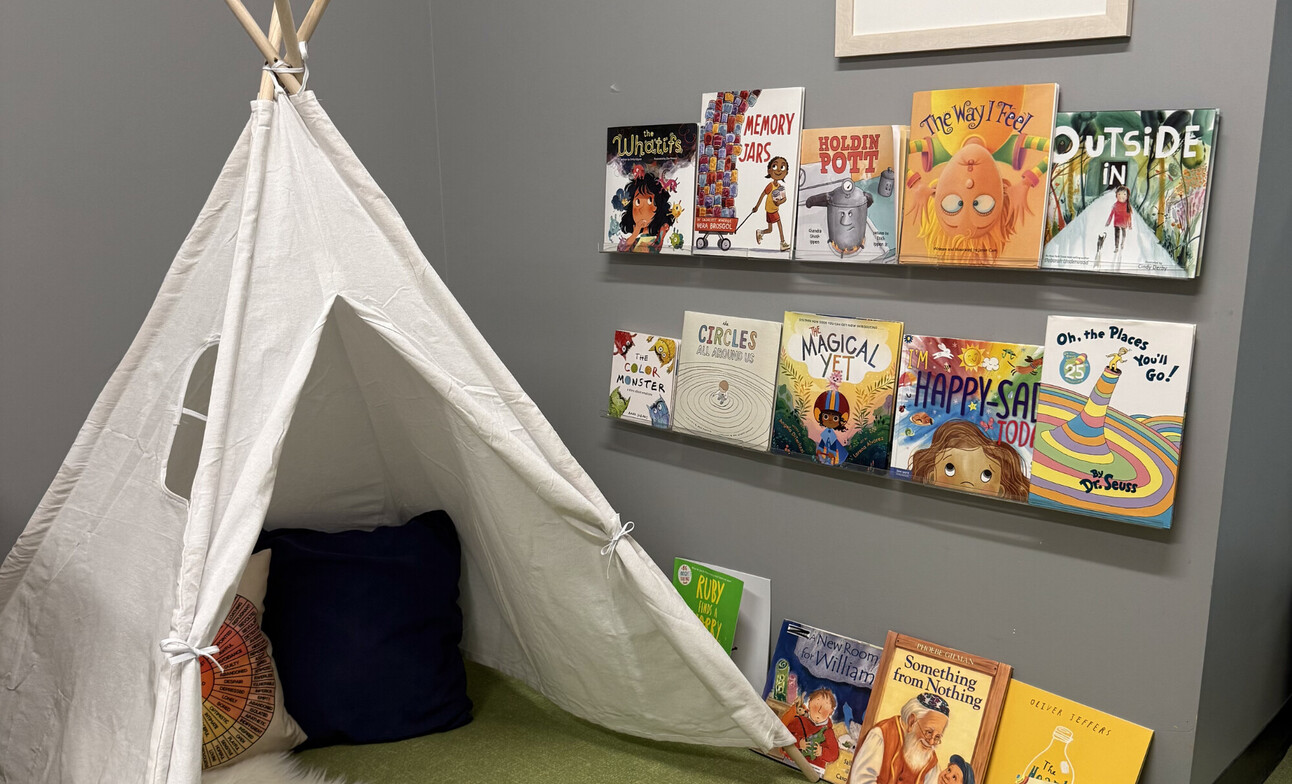
Through play, creativity, storytelling, movement, games, and connection, children can often share what they may not yet have the words to explain. Each child’s therapy is personalized to their developmental stage, unique strengths, and individual needs, creating a space where they can feel understood, supported, and empowered.
Building Emotional Skills Through Child Therapy
Supporting children in developing self-understanding, coping skills, emotional regulation, and confidence through a collaborative therapeutic approach.
Alongside play and creative approaches, I gently incorporate psychoeducation and skill-building when it feels appropriate for each child. This may include helping children understand their emotions, recognize body cues, develop coping strategies, strengthen executive functioning skills, navigate social situations and friendships, and build problem-solving skills in ways that feel concrete, supportive, and engaging.
Parent support and collaboration are also an important part of the therapeutic process. Children develop and heal within the context of relationships, and therapy is most effective when caregivers feel supported and have a deeper understanding of their child’s emotional world. Together, we can explore ways to strengthen connection and support children both inside and outside the therapy room.
How I Work with Children
Different children need different approaches
Play Therapy
Art Therapy
CBT
Solution-Focused Therapy
Children May Benefit From Therapy Support With:
- Big emotions, meltdowns, tantrums, and challenges with emotional regulation
- Anxiety, excessive worries, fears, separation anxiety, or feeling overwhelmed
- Behaviour changes at home, school, or in relationships
- Social challenges, friendship difficulties, feeling left out, or navigating peer relationships
- Low self-esteem, self-criticism, perfectionism, and confidence challenges
- Difficulty identifying, expressing, or communicating emotions and needs
- Neurodivergent experiences, sensory sensitivities, ADHD-related challenges, and executive functioning skills
- School stress, classroom challenges, school avoidance, or difficulty adjusting to school expectations
- Life transitions such as separation, divorce, moving, family changes, or welcoming a new sibling
- Grief, loss, trauma, or difficult life experiences
- Withdrawal, shutdowns, changes in mood, or increased emotional distress
- Building coping skills, self-awareness, confidence, and emotional understanding
- Support following adverse childhood experiences, including abuse, neglect, witnessing violence, or other overwhelming experiences
Parents May Seek Support When:
- They notice changes in their child’s emotions, behaviour, relationships, or overall well-being
- They feel unsure how to respond to big emotions, challenging behaviours, or difficult moments
- They want to better understand what may be underneath their child’s behaviour
- They are navigating parenting challenges and want support balancing connection, boundaries, and expectations
- Their child is experiencing school difficulties, friendship challenges, anxiety, or major life transitions
- They want to strengthen their relationship with their child and better support their emotional development
- They are looking for guidance on how to support a child who may be struggling but is not ready or able to talk about it directly
Frequently Asked Questions
Children often communicate through play, creativity, movement, and relationships rather than through long conversations. Sessions may include play, art, games, storytelling, outdoor walks, and other developmentally appropriate activities.
The goal is to create a safe and supportive space where children can express themselves, build skills, and work through challenges in ways that feel natural to them.
Parents play an important role in a child's wellbeing. Depending on your child's age and needs, parent involvement may include consultations, check-ins, collaborative goal setting, and parent coaching.
At the same time, children also benefit from having a space where they can build trust and develop their own relationship with the counsellor.
Child sessions are 45 minutes with a 5-minute caregiver check-in (if needed).
For children working on goals related to executive functioning, school challenges, anxiety, emotional regulation, attention and focus, social skills, self-esteem, or behavioural concerns, consistent support is often most effective. Weekly or biweekly sessions are typically recommended to begin, as this allows for steady skill-building, emotional processing, and continuity in the therapeutic relationship.
As progress is made and goals are met, sessions often transition into a maintenance phase. During this time, meetings may shift to every two weeks or monthly to support ongoing growth, reinforce skills, and help children apply what they’ve learned across home, school, and social settings.
The frequency of sessions is always flexible and can be adjusted based on the child’s needs, family circumstances, and overall progress.
For children who have experienced an acute stressful event or have been exposed to ongoing adversity or high-conflict environments, therapy is most effective when there is a baseline level of safety and stability in the home and caregiving context. In these situations, consistency is especially important, and weekly sessions are typically recommended.
In child and play therapy literature, short-term therapeutic work is commonly structured over approximately 20 sessions, depending on the nature of the concerns, the child’s developmental stage, and treatment goals. This timeframe is often used in evidence-informed, goal-directed play therapy to support emotional processing, skill-building, and integration of experiences.
Examples of situations where this kind of structured support may be helpful include:
- High-conflict separation or divorce
- The death of a loved one
- Witnessing or experiencing intimate partner violence
- Motor vehicle or other traumatic accidents
- Physical or sexual abuse
- Significant disruption or instability in caregiving environments
Every child responds to separation and divorce differently, and there is no single timeline that works for every family. In my approach, I find that children often benefit most from therapy once some of the major changes have settled and they have a sense of stability in their living arrangements, routines, and caregiving relationships.
Because therapy relies on building safety, trust, and consistency, I typically begin the therapeutic process once custody arrangements, living situations, and day-to-day routines are more established. This allows therapy to focus on supporting the child’s emotional experience rather than navigating ongoing uncertainty and major transitions.
If your family is currently in the middle of separation or divorce and things are still changing, parent support and consultation may be a helpful place to start. This can provide guidance on supporting your child, navigating conversations, strengthening connection, and creating stability during a difficult transition.
Children grieve in many different ways, and there is no “right” timeline for when a child should begin therapy after a loss. Some children show their grief through sadness and questions, while others may express it through play, behaviour changes, worries, physical symptoms, anger, withdrawal, or changes at school.
Therapy can be helpful when a child is having difficulty making sense of the loss, feeling overwhelmed by emotions, struggling with changes, or when their grief is impacting their relationships, daily life, or sense of safety. However, children do not need to be in crisis to benefit from grief support. Therapy can also provide a safe space to talk about memories, feelings, questions, and changes after a significant loss.
I meet children where they are and adapt support to their developmental stage. Sometimes the first step is not individual therapy with the child, but parent support to help caregivers understand how their child is experiencing grief and how to provide support at home.
Blogs
Recent articles from the blog.



Westcoast Wellness Centre
(children and youth under 14 will only be seen in person, virtual is not available)
2780 E Broadway, Vancouver, BC